
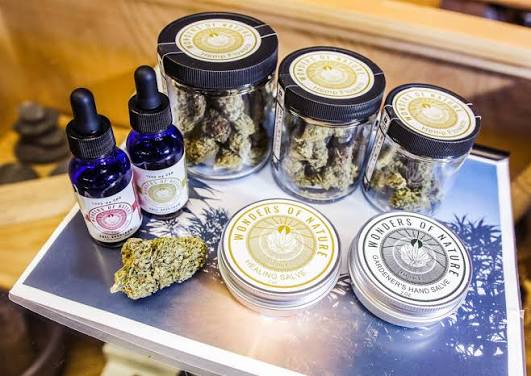
The Czech Republic has become a leader in progressive cannabis policy, and its medical cannabis program has expanded significantly in recent years. Starting in April 2025, general practitioners (GPs) gained the authority to prescribe medical cannabis to patients with chronic, intractable pain . This removed a major barrier that previously required patients to seek out specialists. In 2026, patients in Prague have more options than ever to access medical cannabis legally through pharmacies, and they can also grow up to three plants at home for personal use .
Who Can Prescribe Medical Cannabis in Prague?
Since April 1, 2025, adult GPs have been authorized to prescribe medicinal cannabis for patients suffering from long-term, chronic, and intractable pain . Before this change, only specialists in fields like neurology, oncology, pain management, and palliative care could prescribe it . This reform has made the process significantly shorter and simpler.
If your GP does not prescribe medical cannabis, you can:
- Ask for a referral to a specialist with experience in cannabis therapy
- Find a prescribing doctor through the interactive map maintained by the KOPAC patient association
- Contact specialist pain management or palliative care clinics directly
How the Prescription Process Works
Prescription validity: Medical cannabis prescriptions are now valid for up to three months instead of one . This means patients can see a doctor four times a year instead of twelve, a significant relief for those with limited mobility or in smaller communities.
Dispensing: Medical cannabis is dispensed as an individually prepared medicinal product through a valid electronic prescription . Specialized pharmacies in Prague, such as Konopná lékárna (Cannabis Pharmacy) on Václavské náměstí, offer a range of cannabis-based products including dried flowers, oils, and cosmetics . Customers appreciate the professional advice and personal approach .
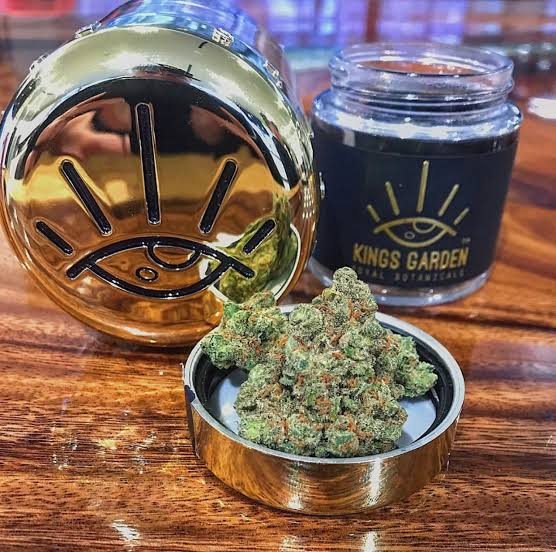
What is prescribed: Pharmacies mainly stock dried flowers for vaporization, oil extracts for oral use, and (rarely) decoctions .
Qualifying Conditions and Patient Statistics
Medical cannabis in the Czech Republic is used as supportive or complementary treatment for specific conditions, including :
- Chronic intractable pain (cancer, degenerative musculoskeletal disorders, neuropathic pain, glaucoma pain)
- Spasticity in multiple sclerosis or after spinal cord injury
- Nausea and vomiting from chemotherapy or HIV treatment
- Gilles de la Tourette syndrome
By September 2025, 41,008 prescriptions were issued, totaling over 314 kilograms of medical cannabis . 296 doctors are registered to prescribe it, and 10 entities are licensed to cultivate medical cannabis in Czechia . The program has seen 17% year-over-year growth .
Costs and Insurance Coverage
Health insurance companies cover 90% of the cost of medical cannabis, up to 90 grams of dried flowers or 30 grams of extract over a three-month period .
| Item | Details |
| Price per gram | 150–200 CZK |
| Patient co-pay (90g/3 months) | ~1,350–1,800 CZK |
| Maximum prescription (3 months) | Up to 540g (180g/month) |
| Coverage | 90% up to 90g dried flower / 30g extract |
The doctor may prescribe up to 540 grams of dried flowers in three months, but the patient pays the full amount exceeding the insurance reimbursement limit . For patients with high consumption or low income, home cultivation may be an attractive alternative.
Medical Cannabis vs. Home Cultivation
Since January 2026, adults over 21 can legally grow up to three cannabis plants for personal use . Home cultivation is cheaper but offers no quality guarantees. Medical cannabis from a pharmacy:
- Passes strict quality controls (GMP standards)
- Has standardized active ingredient content for accurate dosing
- Is tested for pesticides, heavy metals, moulds, and contaminants
For patients with serious diagnoses or compromised immunity, pharmacy cannabis remains the safer option .
Health and Safety Concerns
While the medical cannabis program has expanded, Prague has seen a sharp rise in health incidents linked to unregulated cannabinoid products sold in tourist shops. The number of ambulance calls for cannabinoid-related cases rose from approximately 500 in 2023 to over 1,000 in 2025, and reached 535 in just the first three months of 2026 . These products often contain semi-synthetic cannabinoids that are lab-produced, stronger than natural THC, and have unpredictable effects .
Patients should always obtain medical cannabis through the regulated pharmacy system rather than purchasing unregulated products.
Conclusion
Medical cannabis in Prague in 2026 is more accessible than ever. With GPs now able to prescribe it, three-month prescription validity, and 90% insurance coverage, patients have a clear and supported pathway to legal treatment. For those seeking quality and safety, pharmacy-supplied medical cannabis remains the gold standard, while home cultivation offers a legal alternative for minor ailments.